The people of India : A series of photographic illustrations, with descriptive letterpress, of the races and tribes of Hindustan, originally prepared under the authority of the government of India, and reproduced. by J. Forbes Watson and John William Kaye between 1868 - 1875.

Tibetan Buddhist, Tibet

Munipooree female, Himalayan origin, Munipoor

Meech, (Trans-Himalayan origin), Darjeeling

Lepcha, aboriginal, Sikhim. [male]
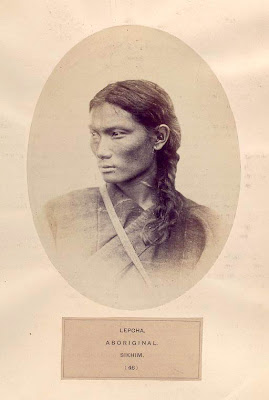
Lepcha, aboriginal, Sikhim. [female]

Lepcha water carriers, aboriginal, Sikhim
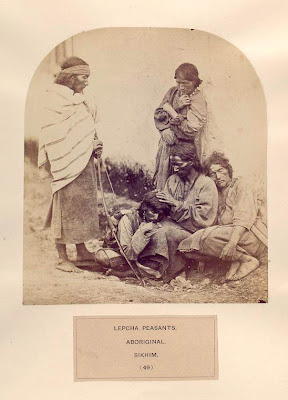
Lepcha peasants, aboriginal, Sikhim
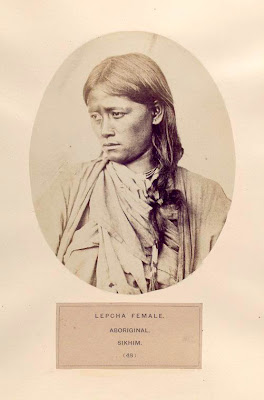
Lepcha female, aboriginal, Sikhim

Lama (Buddhist priest), Tibetan, Pemianchi
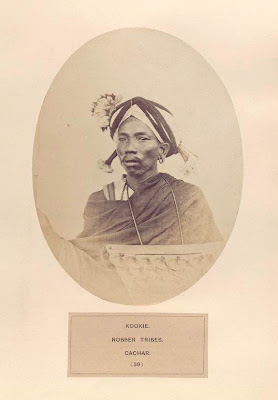
Kookie, robber tribes, Cachar
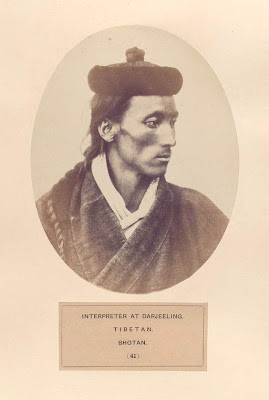
Interpreter at Darjeeling, Tibetan, Bhotan

Group of Nagas, marauding tribe, Cachar

Group of Bhotanese, chiefly of Tibetan origin

Cheboo Lama, Minister of Sikhim, Tibetan, Sikhi
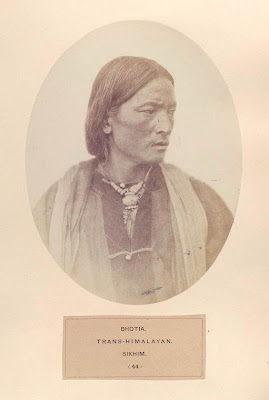
Bhotia, trans-Himalayan, Sikhim
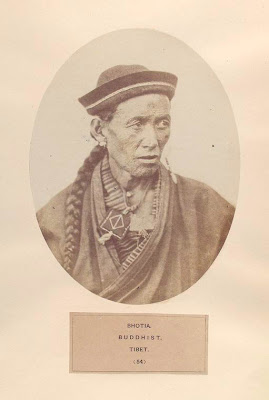
Bhotia, Buddhist, Tibet
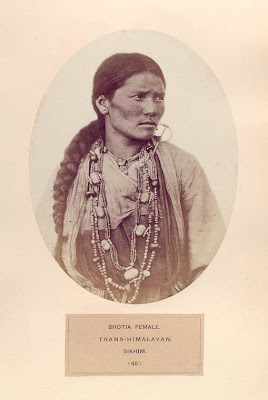
Bhotia female, trans-Himalayan, Sikhim
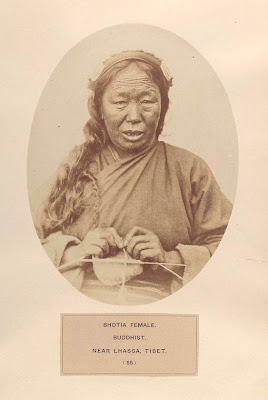
Bhotia female, Buddhist, near Lhassa, Tibet

Bhotanese, chiefly of Tibetan origin, Bhotan


 Tibetan Buddhist, Tibet
 Munipooree female, Himalayan origin, Munipoor
 Meech, (Trans-Himalayan origin), Darjeeling
 Lepcha, aboriginal, Sikhim. [male]
 Lepcha, aboriginal, Sikhim. [female]
 Lepcha water carriers, aboriginal, Sikhim
 Lepcha peasants, aboriginal, Sikhim
 Lepcha female, aboriginal, Sikhim
 Lama (Buddhist priest), Tibetan, Pemianchi
 Kookie, robber tribes, Cachar
 Interpreter at Darjeeling, Tibetan, Bhotan
 Group of Nagas, marauding tribe, Cachar
 Group of Bhotanese, chiefly of Tibetan origin
 Cheboo Lama, Minister of Sikhim, Tibetan, Sikhi
 Bhotia, trans-Himalayan, Sikhim
 Bhotia, Buddhist, Tibet
 Bhotia female, trans-Himalayan, Sikhim
 Bhotia female, Buddhist, near Lhassa, Tibet
 Bhotanese, chiefly of Tibetan origin, Bhotan


