


Showing posts with label Orissa. Show all posts
Showing posts with label Orissa. Show all posts

Feb 24, 2016
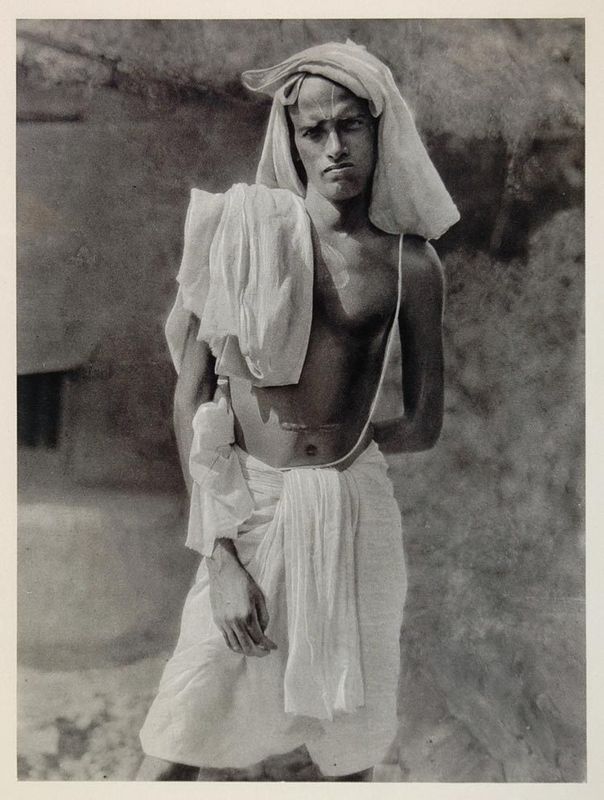
Jan 23, 2016
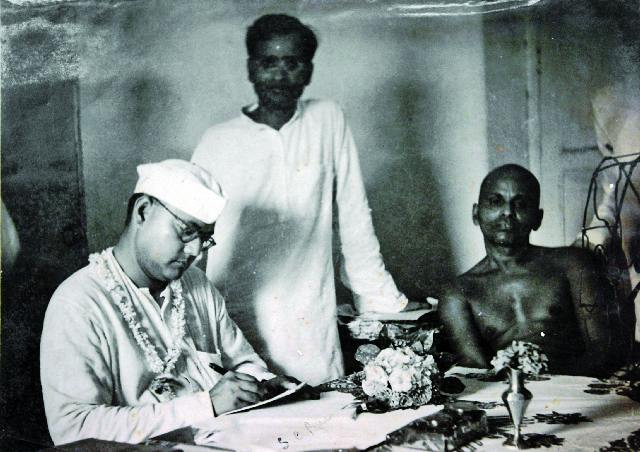
Mar 20, 2015

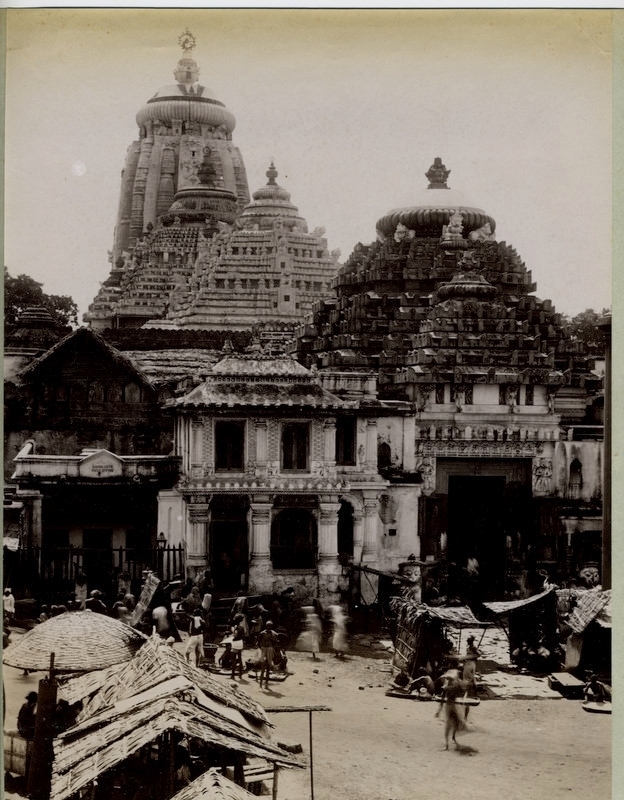
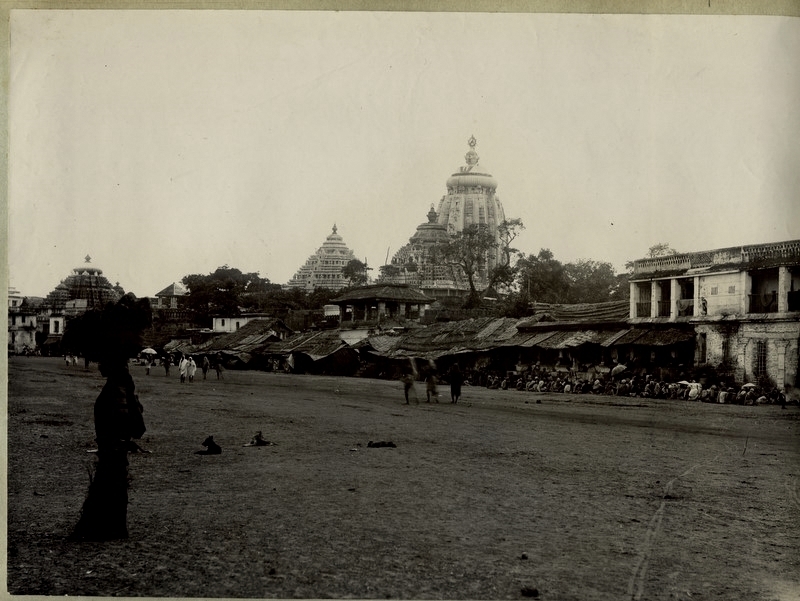
Jun 12, 2013

Jul 12, 2012

Jul 8, 2012
Muktesvara deula (Temple) in Bhubaneshwar, Orissa - India 1928
+in+Bhubaneshwar,+Orissa+-+India+1928.jpg)
Muktesvara deula is a 10th century Hindu temple dedicated to Lord Siva located in Bhubaneshwar, Orissa, India. The temple dates back to 970 A.D., is a monument of singular importance in the study of the development of Hindu temples in Orissa. In this stylistic development the Mukteswara plays a pivotal role; it marks the culmination of all earlier developments, and initiates a period of experiment which continues for an entire century, as seen in such temples as the Rajarani Temple and Lingaraj temple, both located in Bhubaneswar.
Know more in Wikipedia
Photographer: Martin Hürlimann
Source: ebay.com
Jun 30, 2012

Sep 2, 2011

Aug 22, 2011
Specimens of Silver Filigree Work Made by Sonars (Goldsmith Caste) from Cuttack in Orissa - 1873

Source: British Library
Aug 16, 2011


Sep 3, 2010
Sun Temple of Konark from Archaeological Survey of India Collections - 1890 - Part 2
 Statues of two horses near the ashvadavara
 Statue of one of the two horses near the ashvadavara
 Statue of one of the two horses near the ashvadavara
 Statue of one of the two horses near the ashvadavara
 Statue of a lion rearing over an elephant, near the simhadvara
 Statue of a lion rearing over an elephant, near the simhadvara
Photograph of a sculptured slab from the refectory ceiling of the Surya Temple at Konarak
 Group of sculptured pilaster figures representing amorous scenes
 Group of sculptured pilaster figures representing amorous scenes
 Group of sculptured pilaster figures representing amorous scenes
 General view from the south of the mandapa
 Close view of lower half of left portion of the mandapa
 Close view of doorway in the eastern façade of the mandapa
Source: British Library Website
Sep 2, 2010
Sun Temple of Konark from Archaeological Survey of India Collections - 1890 - Part 1
Konark Sun Temple is a 13th-century Sun Temple (also known as the Black Pagoda), at Konark, in Orissa. It was constructed from oxidizing and weathered ferruginous sandstone by King Narasimhadeva I (1236-1264 CE) of the Eastern Ganga Dynasty. The temple is one of the most well renowned temples in India and is a World Heritage Site.
The temple takes the form of the chariot of Surya (Arka), the sun god, and is heavily decorated with stone carving. The entire complex was designed in the form of a huge chariot drawn by seven spirited horses on twelve pairs of exquisitely decorated wheels. (Wikipedia)
This Surya Temple at Konarak was constructed by king Narasimha of the Eastern Ganga dynasty in 1240 circa. This colossal temple complex was too heavy for the friable soil on which it was built and the 70 metres shikhara covering the sanctum collapsed in 1837 as well as the roof of the dance pavilion. Only the jagamohana has survived with its large pyramidal roof rising in three tiers decorated with sculptures of musicians, dancers and maidens. The temple is conceived as a colossal processional chariot of the Sun with 12 pairs of carved wheels, drawn by 7 rearing horses. (British Library)
 Photograph of a general view from the south-east of the mandapa
 Photograph of a general view from the east of the mandapa
 Photograph of the Elephant statues near the gajadvara
 Photograph of the Elephant statue near the gajadvara
 Photograph of a close view of the the eastern façade of the mandapa
 Photograph of a close view of the sculptural detail on the right-hand side of the eastern façade of the mandapa
 Photograph of a close view of the sculptural detail on the left-hand side of the eastern façade of the mandapa
 Photograph of a close view of the right half of the west façade and roof of the mandapa
 Photograph of the left half of the west façade and roof of the mandapa
 Elephant statue near the gajadvara
 Close view of right half of west façade and roof of the mandapa
Photographer: William Henry Cornish
Source: British Library Website
Source: British Library Website
Jan 29, 2009
Jagannath Temple - Puri Orissa Part - IV
 Statue of mother and child, Jagannath Temple
Photograph of a statue of mother and child from the Jagannatha Temple at Puri, from the Archaeological Survey of India Collections, taken by Poorno Chander Mukherji in the 1890s.
 Close view of two female statues on the north façade of the shrine, Jagannath Temple
Photograph of two female statues on the north façade of the shrine of the Jagannatha Temple at Puri, from the Archaeological Survey of India Collections, taken by Poorno Chander Mukherji in the 1890s.
 Close view of sculptural details and mouldings on the façade of the basement of the refectory, Jagannath Temple
Photograph of the sculptural details and mouldings on the façade of the basement of the refectory Jagannatha Temple at Puri, from the Archaeological Survey of India Collections, taken by Poorno Chander Mukherji in the 1890s.
 Close view of architrave and sculptured façade on left side of inner gateway, Jagannath Temple
Photograph of the architrave and of the sculptured façade on the left side of the inner gateway of the Jagannatha Temple at Puri, from the Archaeological Survey of India Collections, taken by Poorno Chander Mukherji in the 1890s.
Jan 28, 2009
Jagannath Temple - Puri Orissa Part - III
 The Singh Darwaza or Lion's Gate of the Jagannath Temple
Photograph of the Lion Gateway (Singhadwara) of the Jagannatha Temple at Puri from the Archaeological Survey of India Collections: India Office Series (volume 24: 'a' numbers), taken by William Henry Cornish around 1868.
 Statue of Varaha in the Jagannatha Temple
Photograph of a statue of Varaha from the Jagannatha Temple at Puri, from the Archaeological Survey of India Collections, taken by Poorno Chander Mukherji in the 1890s.
 Statue of Ganga, Jagannath Temple
Photograph of a statue of Ganga in the Jagannatha Temple at Puri, from the Archaeological Survey of India Collections, taken by Poorno Chander Mukherji in the 1890s.
 Entrance and left half of east façade of the refectory of the Jagannath Temple
Photograph of the Jagannatha Temple at Puri, from the Archaeological Survey of India Collections, taken by Poorno Chander Mukherji in the 1890s.
 Close view showing sculptural details of right half of east façade of the refectory of the Jagannath Temple
Photograph of the sculptural details from the Jagannatha Temple at Puri, from the Archaeological Survey of India Collections, taken by Poorno Chander Mukherji in the 1890s.
 Close view of the inner gateway of the Jagannatha Temple
Photograph of the gateway of the Jagannatha Temple at Puri, from the Archaeological Survey of India Collections, taken by Poorno Chander Mukherji in the 1890s
 Close view of the base of the Aruna-stambha in front of the Jagannath Temple
Photograph of the base of the Aruna-stambha in front of the Jagannath Temple at Puri, from the Archaeological Survey of India Collections, taken by Poorno Chander Mukherji in the1890s.
 Close view of sculpture panels and mouldings in right half of east façade of the refectory of the Jagannath Temple
Photograph of the sculptural panles in the Jagannath Temple at Puri, from the Archaeological Survey of India Collections, taken by Poorno Chander Mukherji in the 1890s.
 Close view of portion of north façade of the Jagannath Temple.
Photograph of the Jagannatha Temple at Puri, from the Archaeological Survey of India Collections, taken by Poorno Chander Mukherji in the 1890s.
Subscribe to:
Posts (Atom)